The John Bauer Pottery Studio is a Accommodation establishment in Cape Town, Western Cape, South Africa
The John Bauer Pottery Studio: Art‑Infused Accommodation in Cape Town
The John Bauer Pottery Studio in Cape Town’s Western Cape offers a distinctive, art‑rich guest experience within a compact five‑room establishment located in the Southern Suburbs’ Claremont area. Described as a small, soulful guesthouse where comfort and creativity sit side by side, the property blends residential hospitality with an active pottery studio. The guest house is positioned as a home rather than a traditional hotel, inviting visitors to unwind in a calm, artful environment that echoes the personality and work of owner‑ceramist John Bauer.
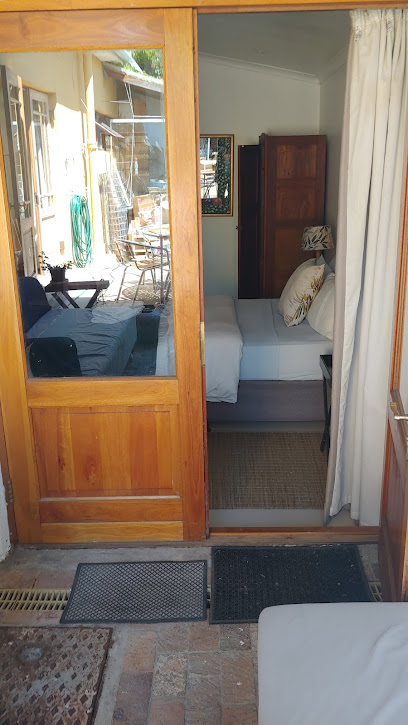
Accommodation is structured around five well‑appointed rooms, each designed to support a comfortable stay with practical, work‑oriented touches. Notable features include a communal kitchen that guests can use to self‑cater, and a self check‑in system that accommodates guests arriving at different times. Every room includes a functional workspace, described as a working desk, which supports guests who may be visiting for conferences, residencies, or longer breaks that blend work and inspiration with leisure.
The property situates guests in a setting that combines living space with art. The prevailing ambience is one of “art everywhere,” with John Bauer’s ceramics and a rotating collection of artworks that line corridors, rooms and communal areas. Guests can expect a warm, conversational environment where viewing and engaging with art becomes part of the daily experience. A bead element is also featured, with John Bauer’s porcelain beads offered by weight, inviting guests to participate in a tactile keepsake activity aligned with the creative ethos of the house.
The onsite pottery studio is promoted as a living workspace that guests may observe or participate in. Visitors can book lessons in advance, or even apply for full art residencies with John, suggesting opportunities to immerse in hands‑on ceramic practice during a stay. This dynamic creates a unique accommodation model in which overnight lodging is complemented by active engagement with the arts, rather than a purely passive visit.
The property includes practical spaces for guests to relax and gather, such as a small gallery where bowls and tiles can be browsed as potential gifts or mementos. The garden provides an outdoor respite, while the interior is characterised by a gentle, imaginative spirit and a sense of discovery—a place where tiny details, such as handmade tiles in doorways or glazed ceramics catching the light, contribute to a slow‑looking, curious atmosphere.
Operationally, the guest house is designed to accommodate a range of visit types—from restful getaways to work conferences and art residencies. The arrangement supports flexible stays with self‑catering in the communal kitchen, and the surrounding area is noted for accessibility to Arderne Gardens, Kirstenbosch, Newlands Cricket Grounds, and the local food scene in Harfield, with convenient access to public transport.
The online experience is complemented by guest feedback that highlights friendly, helpful hosts and well‑maintained facilities. Reviews frequently mention spacious rooms, quiet surroundings, and value for money, alongside appreciation for the team’s hospitality and the chance to explore John Bauer’s art collection. Guests also note the ease of check‑in and the opportunity to connect with art during their visit, creating a stay that emphasises personal space as well as artistic immersion.
Typical arrangements and practical tips for visitors include planning for self‑catering in a communal kitchen, using the self check‑in option for arrivals at flexible times, and taking advantage of opportunities to engage with John Bauer’s studio and gallery spaces. For those seeking a quiet base from which to explore the Southern Suburbs and major Cape Town attractions, this accommodation offers a distinctive blend of homely comfort and creative inspiration.
Practical tips for guests
- Expect a home‑like environment with a small, creative footprint; rooms are designed with work spaces and quiet corners for concentration or relaxation.
- Take advantage of self‑check‑in for flexible arrivals, and use the well‑equipped communal kitchen for self‑catering needs.
- Incorporate a visit to the studio and gallery to experience John Bauer’s ceramics and the surrounding art collection.
- Explore nearby attractions in the Southern Suburbs and convenient transport links for easy access to Cape Town’s broader offerings.
- Bookings may include options for art lessons or residency‑style stays, depending on availability and advance arrangements.
Location and access notes indicate the property’s position in Claremont, Cape Town, with proximity to parks, gardens and local amenities shaping a convenient base for visitors to the Western Cape region.
Cape Town
Western Cape
South Africa
Sorry, no records were found. Please adjust your search criteria and try again.
Sorry, unable to load the Maps API.
Accommodation Services in Cape Town, Western Cape
Accommodation in Cape Town, Western Cape, offers a diverse range of places to stay suited to different budgets and preferences. Visitors may encounter a spectrum of options from city-centre hotels and boutique guesthouses to self-catering apartments and seaside lodges. Each category tends to emphasise different experiences, whether it be convenient access to business districts, panoramic harbour views, or tranquil suburban settings near vineyards and nature reserves.
Typical accommodation services encompass essential comfort and convenience. Guests can expect clean, well-maintained rooms or units with private or shared facilities, secure access, and reliable basic amenities such as bed linen, towels, and daily or periodic housekeeping. Many properties provide Wi‑Fi, in-room entertainment, and tea and coffee making facilities. The availability of enhanced features varies by property type, with boutique establishments often prioritising stylish decor and personalised touches, while larger hotels might emphasise facility breadth and consistent service standards.
Front-of-house arrangements commonly include reception or concierge services, offering information about local transport, attractions, and dining options. Security is a core consideration, particularly in busy neighbourhoods or holiday hotspots, with controlled access, well-lit entrances, and, where relevant, secure parking. Parking policies can differ, with some properties providing on-site spaces and others recommending nearby public parking or limited street parking, subject to local rules.
Practical arrangements often extend to meal options and cleaning schedules. Many Cape Town properties offer breakfast either as part of a room rate or as an optional extra, with other meal services available in some establishments. Self-catering units provide kitchen facilities for guests who prefer to prepare their own meals. Laundry services may be available on-site or through partners, while some properties offer dry-cleaning and ironing upon request. For travellers seeking guidance, some locations arrange guided tours, airport transfers, or experiences, though these services are typically billed separately and are not universal features of the accommodation itself.
Prices and value frequently reflect location, season, and demand. Peak travel periods in Cape Town generally align with South Africa’s school holidays and favourable weather from late spring to early autumn, when beaches, mountain routes, and wine land excursions attract the most visitors. Off-peak times can yield more economical rates, subject to availability. Cancellation policies, deposits, and payment methods vary by property and booking channel; prospective guests are advised to review terms carefully before confirming a reservation. In all cases, expect transparent information about inclusions, checkout procedures, and any additional charges such as tourism levies, taxes, or service fees.
Neighbourhood choice plays a significant role in shaping the stay. The City Bowl and central Cape Town offer rapid access to business venues, restaurants, and cultural attractions, while the Atlantic Seaboard and Clifton/Camps Bay sides provide coastal scenery and resort vibes. Constantia and the surrounding winelands nearby offer a countryside balance with vineyards and scenic drives. Coastal and harbour-facing properties typically emphasise views and promenade access, whereas suburban or inland options may prioritise calm, space, and family-friendly facilities. Accessibility considerations vary, with some properties equipped for mobility needs and others better suited to able-bodied travellers.
In summary, accommodation services in Cape Town are characterised by a broad mix of property types and service levels, aligned with the city's dynamic mix of urban convenience, coastal leisure, and natural beauty. Guests can expect clean accommodation, practical amenities, and location-driven experiences, subject to the usual variations that accompany different categories and price points. Thoughtful planning around neighbourhood, transit, and seasonal timing helps ensure a comfortable and enjoyable stay in this popular South African destination.