Ouberg Private Nature Reserve is a Nature Reserve establishment in Langeberg Local Municipality, Western Cape, South Africa
Ouberg Private Nature Reserve: Off-Grid Karoo Escapes in the Klein Karoo
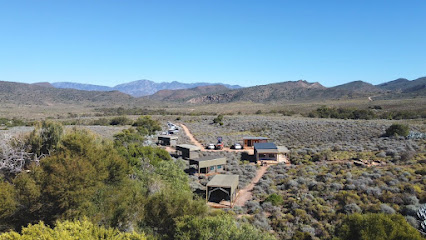
Ouberg Private Nature Reserve sits at the confluence of three biomes—Succulent Karoo, Fynbos, and Albany Thicket—within the Klein Karoo region of the Western Cape. Covering around 1,000 hectares, the reserve is accessed via the Ouberg Pass, near Montagu, offering a secluded base for nature-focused experiences, wildlife viewing, and stargazing. Visitors are treated to wide-open landscapes, rugged mountain silhouettes, and a sense of quiet that characterises the Karoo. The site highlights a commitment to low-impact, off-grid living with facilities designed to blend with the natural surroundings.
The reserve presents a range of self-catering and group-friendly options centred on off-grid living and rustic comforts. Guests can choose from a secluded off-grid cabin, a tented glamping camp, or traditional campsites, all of which provide access to the 900-hectare private nature reserve for hiking, birding, mountain biking, and general exploration. The overall experience emphasises privacy, star-filled skies, and a pace that encourages relaxation and immersion in the Karoo environment.
Main accommodation and services
De Kuile Tented Camp offers rustic glamping across four safari tents, with provisions for two adults per tent and an additional tent configured for three people. The tents feature warm duvets, linen, and towels, plus basic amenities such as charging points and free WiFi (but no cellular reception). A shared, fully equipped kitchen and dining area sits alongside a communal Boma and a plunge pool on the deck, with a stone firepit offering 360° mountain views. The on-site facilities include a large fridge/freezer, crockery, two gas hobs and a gas oven, plus basic herbs and spices for self-catering. This option provides a social yet intimate base from which to explore the surrounding Karoo scenery.
De Kuile Campsite and the Klippie rooftop tent experience (retired from operation but still represented within De Kuile) offer more traditional camping formats. The sites provide rustic ablutions, hot outdoor showers, a plunge pool, and access to the 900-hectare reserve. The Klippie system describes a compact, self-contained camper with a rooftop tent, basic cooking facilities, and an inverter to power small devices, all designed for minimal environmental impact and maximum wilderness immersion. Access to these spaces is via a dirt farm track, with recommendations to use a raised vehicle for ease of travel on rougher sections.
Bloukrans Off-Grid Cabin presents a self-catering, eco-friendly option for up to four adults. This cabin is entirely off-grid, powered by solar panels, and features a deck with views of a mountain amphitheatre, an outdoor hot-water shower, and a separate swimming dam a short walk away. The cabin operates without cellular signal or WiFi, although regional signal is available at the nearby dam location. Minimum stays are typically two nights, reflecting the reserve’s focus on extended, immersive stays in a remote setting.
The Camping options include five sites featuring individual taps for borehole water, shade pergolas, and rustic communal ablution facilities. Each site offers a private camp setup with no on-site power points and access to shared amenities, including a plunge pool and a small camp shop selling wood, ice, and limited beverages. The camping experience emphasises natural night skies, uninterrupted views, and the tranquillity of the Karoo environment.
Activities and guest experience
Activities on the reserve are oriented around the outdoor and natural environment. Walking and hiking along farm roads and established trails reveal the diverse flora and fauna of the Klein Karoo. Mountain and gravel biking routes provide fitness-friendly ways to explore, while photography, birding (with a detailed bird list available on request), and star gazing opportunities abound thanks to minimal light pollution. The guides and hosts are noted for attentive hospitality and practical knowledge about the area, contributing to a highly regarded guest experience described by visitors as peaceful, scenic, and well maintained.
Reviews frequently commend the cleanliness and thoughtful provisioning of communal spaces, the comfort of the beds and tents, and the host's personal touches. The star-filled skies, wildlife sounds at night, and the sense of escapism from urban life are common themes in guest feedback, underscoring Ouberg’s appeal as a private nature reserve for those seeking solitude, nature immersion, and practical, well-equipped self-catering facilities.
Location and practical tips
Located in the Langeberg Local Municipality, Western Cape, the reserve is ideal for visitors travelling from Cape Town, with a roughly three-hour drive to reach the Klein Karoo escape. The main practical considerations include: the dirt farm tracks to De Kuile Camp and Bloukrans Cabin may require a raised vehicle (SUV or bakkie recommended); there is no cell reception at most on-site accommodation, though certain areas offer free WiFi or signal nearby; and there are explicit cautions regarding fires, with designated braai areas to be used for cooking.
Best times to visit typically align with pleasant Karoo weather outside peak heat, and the long daylight hours lend themselves to outdoor exploration, star gazing, and photography. Guests should prepare for the remote setting by bringing essentials for self-catering stays, adequate water for activities, and suitable gear for uneven terrain and high-clearance farm tracks.
Location and area served
The reserve serves travellers seeking a private Karoo experience within the Western Cape, offering access to Montagu and the surrounding Klein Karoo region for nature-based recreation, photography, birding, and small-group getaways.
Langeberg Local Municipality
Western Cape
South Africa
Sorry, no records were found. Please adjust your search criteria and try again.
Sorry, unable to load the Maps API.
Nature Reserve services in Langeberg Local Municipality
Within the Langeberg Local Municipality in the Western Cape, nature reserves offer a blend of conservation, recreation and environmental education. These spaces protect diverse flora and fauna while providing opportunities for residents and visitors to engage with the region’s unique landscape. The services found in this category are typically designed to balance ecological integrity with public access and enjoyment.
Visitors can expect a range of facilities and activities that cater to different interests and ages. Guided experiences are common, often led by trained volunteers or staff who interpret the reserve’s natural and cultural heritage. The aim is to illuminate ecological processes, highlight rare or endemic species, and explain the role of reserves in safeguarding biodiversity amid local development pressures. Informational materials, wayfinding signage, and visitor centres frequently aid interpretation and orientation.
Practical access arrangements form an important part of the service offer. Reserves usually provide marked trails of varying difficulty, with maps available on-site or via local tourism offices. Safety considerations are emphasised, including adherence to speed limits, wildlife sightings awareness, and seasonal weather changes that influence trail conditions. Ranging from short strolls to longer hikes, these routes enable people to observe ecosystems such as fynbos, woodland and riparian zones that characterise the Western Cape’s landscape.
Environmental education and community outreach are integral components. Many reserves organise school programmes, junior ranger activities and community workshops to raise awareness about conservation priorities, habitat restoration and sustainable land management. These initiatives can help build local stewardship, encourage citizen science participation and foster an understanding of the pressures facing natural habitats from invasive species and climate variability.
Practical considerations for planning a visit include accessibility, facilities and fees. Some reserves offer basic amenities such as sheltered seating, toilets, and drinking water, while others operate in more remote settings with minimal infrastructure. Park management may impose seasonal access rules or temporary closures to protect nesting birds, sensitive habitats or during maintenance work. Entrance charges or permit requirements are commonly used to fund conservation efforts; details are typically published locally and updated periodically by the managing authority.
Interpretive programming and experiences often extend beyond solitary recreation. Birdwatching, nature photography, and biodiversity surveys are popular activities that attract both casual nature lovers and dedicated enthusiasts. In some instances, reserves partner with local guides or organisations to host specialised events, including night walks to observe nocturnal species or dawn patrols to document seasonal migrations. Participants should expect adherence to reserve policies, including staying on designated paths, respecting wildlife, and carrying appropriate gear for sun, wind or rain.
For researchers and professionals, nature reserves in the Langeberg area may offer opportunities for environmental monitoring and collaboration on habitat restoration projects. While access for researchers typically requires clearance or permission, information on ongoing projects and organisational contacts is often available through local authorities or park newsletters. The emphasis remains on safeguarding habitats while enabling meaningful learning and sustainable enjoyment of the landscape.
- Guided walks and educational programmes
- Well-marked trails with varying levels of difficulty
- Visitor facilities, including information centres and restrooms
- Wildlife viewing opportunities and biodiversity interpretation
- Conservation-focused events and citizen science activities